
How to Make Money with AI-Generated Movies and Films
Learn how AI filmmakers earn through commissions, YouTube, fan support, and crowdfunding. Discover Voobin for publishing, watching, and backing AI films.

Tom
October 2, 2026
How to Make Money with AI-Generated Movies and Films
Quick Tips for AI Filmmakers
- Finish a short film first. A polished one-to-three-minute story gives viewers and potential clients something concrete to judge.
- Choose one initial revenue model. Start with commissions, fan support, or platform monetization, then expand.
- Budget for the complete production. Include failed generations, editing, sound, subscriptions, and promotion.
- Check commercial permissions. Review AI-tool terms and permissions for music, voices, characters, and likenesses.
- Give viewers a next step. Link each teaser to the full film, your creator profile, or your next episode’s campaign.
Wondering how to make money with AI-generated videos? For filmmakers, the main routes are selling creative services, earning from eligible content, receiving direct fan payments, and financing future productions.
This guide focuses on movies made using AI, including narrative shorts, animation, and episodic series.
1. Sell Commissioned Films and Creative Services
Your filmmaking skills can become a service: music videos, commissioned narrative shorts, cinematic trailers, or visual sequences for other productions.
Build a small portfolio showing character consistency, storytelling, editing, and sound design. Then offer a defined package with a runtime, delivery date, revision limit, and agreed usage rights.
Upwork’s AI income guide identifies video creation and editing among monetizable services. A practical starting strategy is to sell a finished deliverable: your client pays for the production without requiring you to build a large audience first.
2. Can You Monetize AI-Generated Videos on YouTube?
AI use alone does not determine eligibility. You must qualify for the YouTube Partner Program and follow its content, copyright, and advertiser requirements.
YouTube’s monetization policies require original, authentic content and exclude repetitive or mass-produced material. For an AI filmmaker, that means giving each release a distinct story, deliberate direction, and meaningful editing.
YouTube also requires disclosure of qualifying realistic synthetic content.
Publish complete stories, organize episodes into playlists, and use trailers to introduce the series. Treat advertising as one potential income stream, with results depending on eligibility, audience, and advertiser demand.
3. Earn Directly from Fans
Direct payments let viewers support a specific filmmaker or story.
For example, Patreon supports one-time purchases of videos and digital products alongside membership offerings. You could sell a film collection, offer early access, or share production breakdowns with paying members.
Keep rewards manageable. A monthly behind-the-scenes update may be more sustainable than promising a new finished film every week.
You can also sell workshops or production templates based on your own workflow. These monetize your expertise alongside your films, rather than relying entirely on views.
4. Explore Sponsorships and Licensing
A sponsor may pay to support a series or appear within a story, while a licensing customer pays for defined permission to screen or use your work.
Prepare a concise pitch containing your film, intended audience, release plan, and proposed partnership. Agree on the deliverables and permitted uses before production.
Keep sponsorships transparent and negotiate only rights you can provide. Commercial-use permission from an AI tool does not automatically clear third-party music, characters, or likenesses.
5. Use AI Film Crowdfunding to Finance the Next Production
A compelling pilot can demonstrate what backers would help create next. Explain the next episode’s story, budget, timeline, and rewards.
Kickstarter’s AI guidelines require transparency about AI tools and original contributions. Its reward crowdfunding model does not offer backers equity or financial returns.
Competitions are another possible source of support. Monitor events such as the Runway AI Festival and check each edition’s award and eligibility terms.
Production funding is not automatically profit. Track expenses and delivery obligations before deciding what you have actually earned.
Voobin: Publish, Watch, Earn, and Invest in AI Films
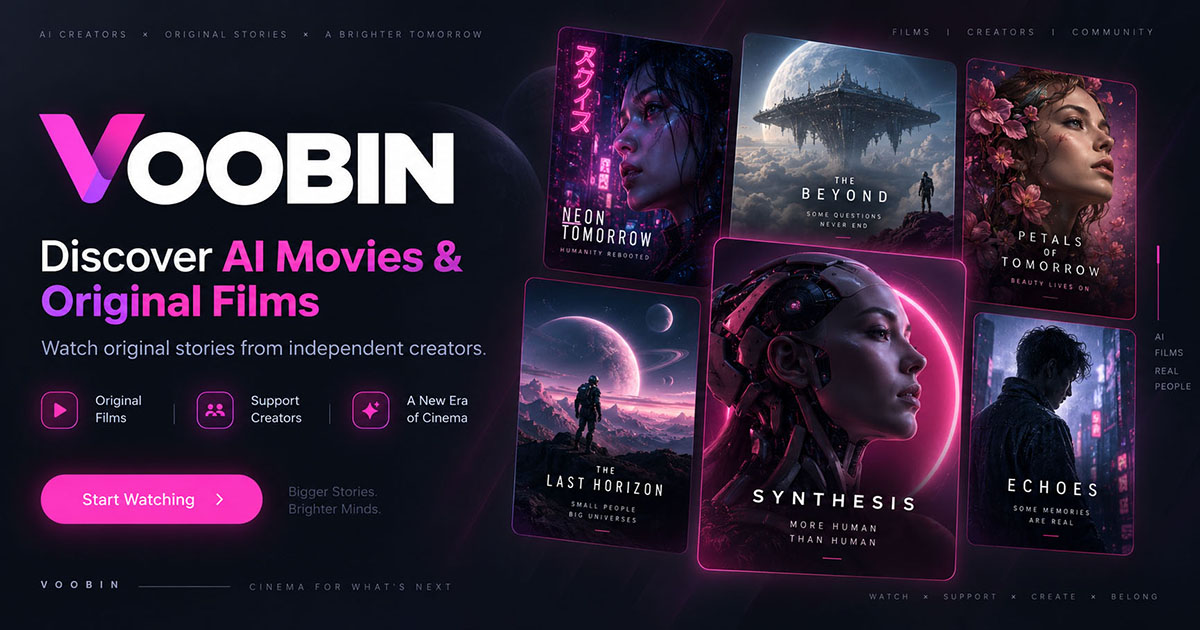
Voobin connects AI filmmakers, viewers, and supporters around original films and series. Its vision brings publishing, watching, earning, and investing into one community.
- Publish: Share narrative films and series through Studio, adding episodes under each project.
- Watch: Discover AI-generated movies and follow creators’ continuing stories.
- Earn: Explore creator monetization and community funding as programs become available.
- Invest: Back upcoming episodes through qualifying campaigns, with revenue participation where expressly offered.
The Creator Hub centers on supporting upcoming episodes. A completed pilot and a clear campaign can help viewers understand both your storytelling and your production goals.
Voobin is currently in beta. Its Creator Agreement says monetization and funding availability may vary and requires accepted program terms. Publishing does not transfer the rights you hold to Voobin; revenue-sharing participation depends on the campaign agreement.
Start with a story people want to finish. Publish it, learn from the audience, and use that evidence to plan the next production.
Explore more stories at the intersection of film, technology, and culture.